
Faana · Co-founder · 2025 to now
Built around the whole person
For people, in the places they work and live
With Autumn Manning and the Faana team
My role
Architecture and data
I lead the architecture of Faana’s platform and the design of its data, and with another engineer on the team we built it.
The short version
Built for
Leaders and coaches
We built two places on the platform, one for a company’s leaders and one for the coaches who work with them.
The assistant
Asks first
We designed it to show a person exactly what it would change and write nothing until they confirm, and every change it makes is logged so it can be undone.
The rule
Data for good
Privacy comes before any analysis, and a person stays in charge of what an insight means.
Why I said yes
Faana helps people grow together with the companies they work in and the communities and cities they live in, and Autumn Manning founded it and leads it as CEO. I said yes because of Autumn: her track record and the way she reads people and companies. I’d also seen growing companies break on people problems that strategy and software miss. In my own companies, too much ran through one person, and sometimes that person was me.
I wanted the next thing I was involved in building to give back to community and make things better. Faana was the chance to turn what Autumn sees in people and companies into tools and data. I came in as the technical partner in April 2025 to build the platform behind her method, and we became co-founders that June.
The person at the center
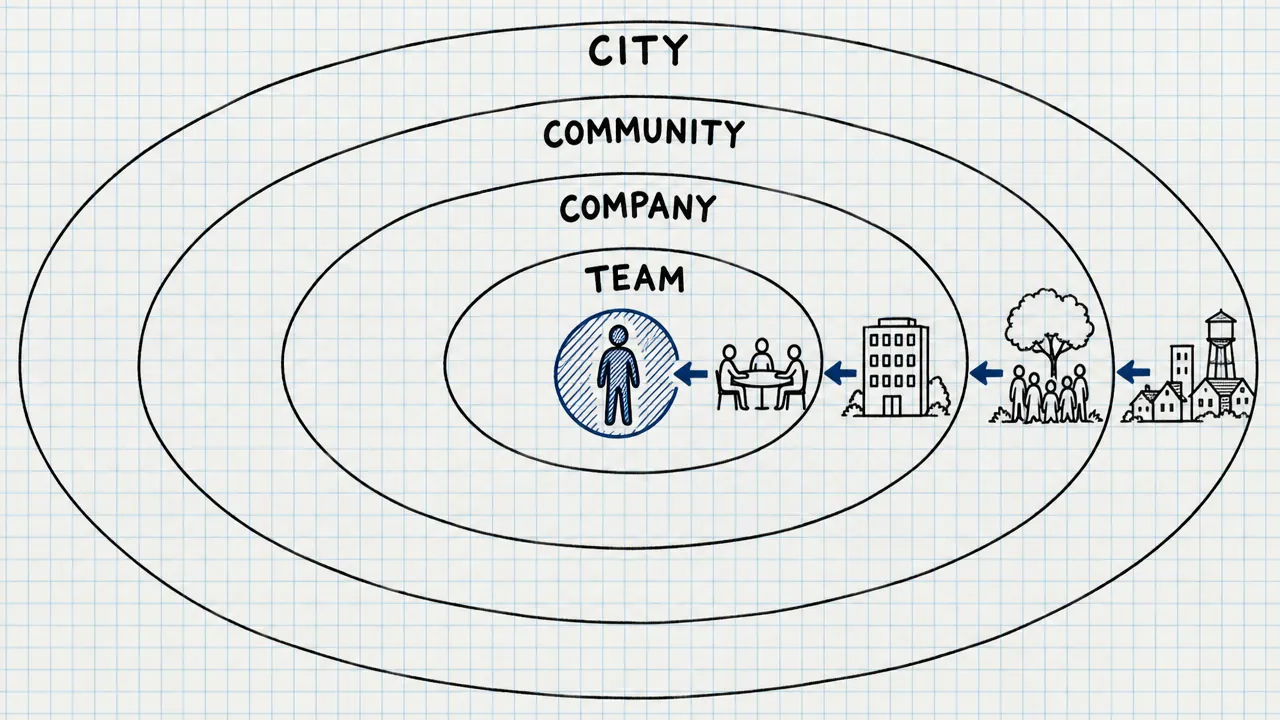
I put the person at the center of the design. A person’s life runs through their work, the programs they join and the community and city they live in, and the support that helps them grow has to reach all of that, so the platform brings those places together.
Companies at a turning point are where that work starts. On the platform we built for that work, a company’s leaders can follow a timeline of their own reports and assessments, along with the next steps their coaches recommended, and a coach can see every company they work with on one screen.
We designed it to reach past one company too, from a team up to a neighborhood and a city, so the coaches and leaders in a position to help could see what kept coming up and send support back to the people who needed it.
Data for good, or not at all
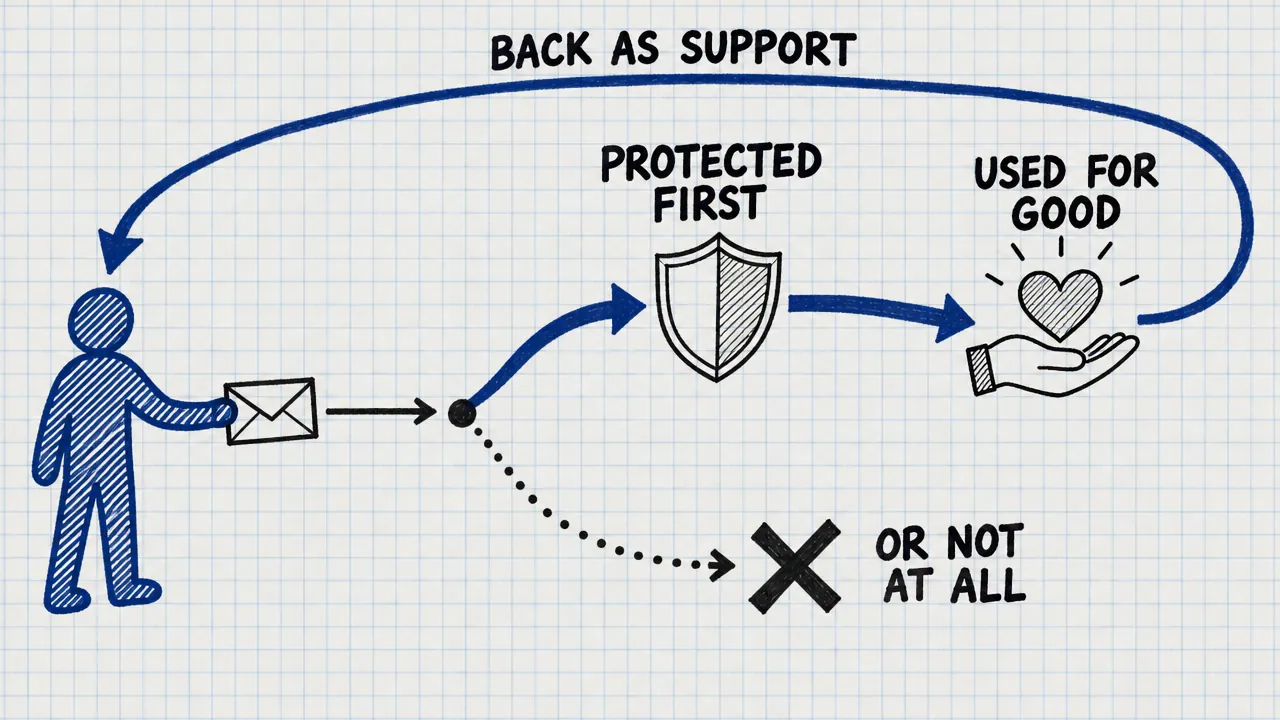
Faana holds itself to one rule for anything people share with it, data for good or not at all, and I made that rule part of how the platform works. Names and other personal details are protected before any analysis begins, and each company’s material is kept apart from every other company’s. It’s designed so a coach or a leader decides what an insight means before anyone acts on it.
The platform’s assistant can answer questions from a company’s own material and change records, and we designed it to ask first, showing the person exactly what it would change and writing nothing until they confirm. Every change it makes goes into a log, and any of those changes can be undone.
Next story

Built for the other side of the table
Debt Hacker · Founder and inventor, not yet launched · 2024 to now